

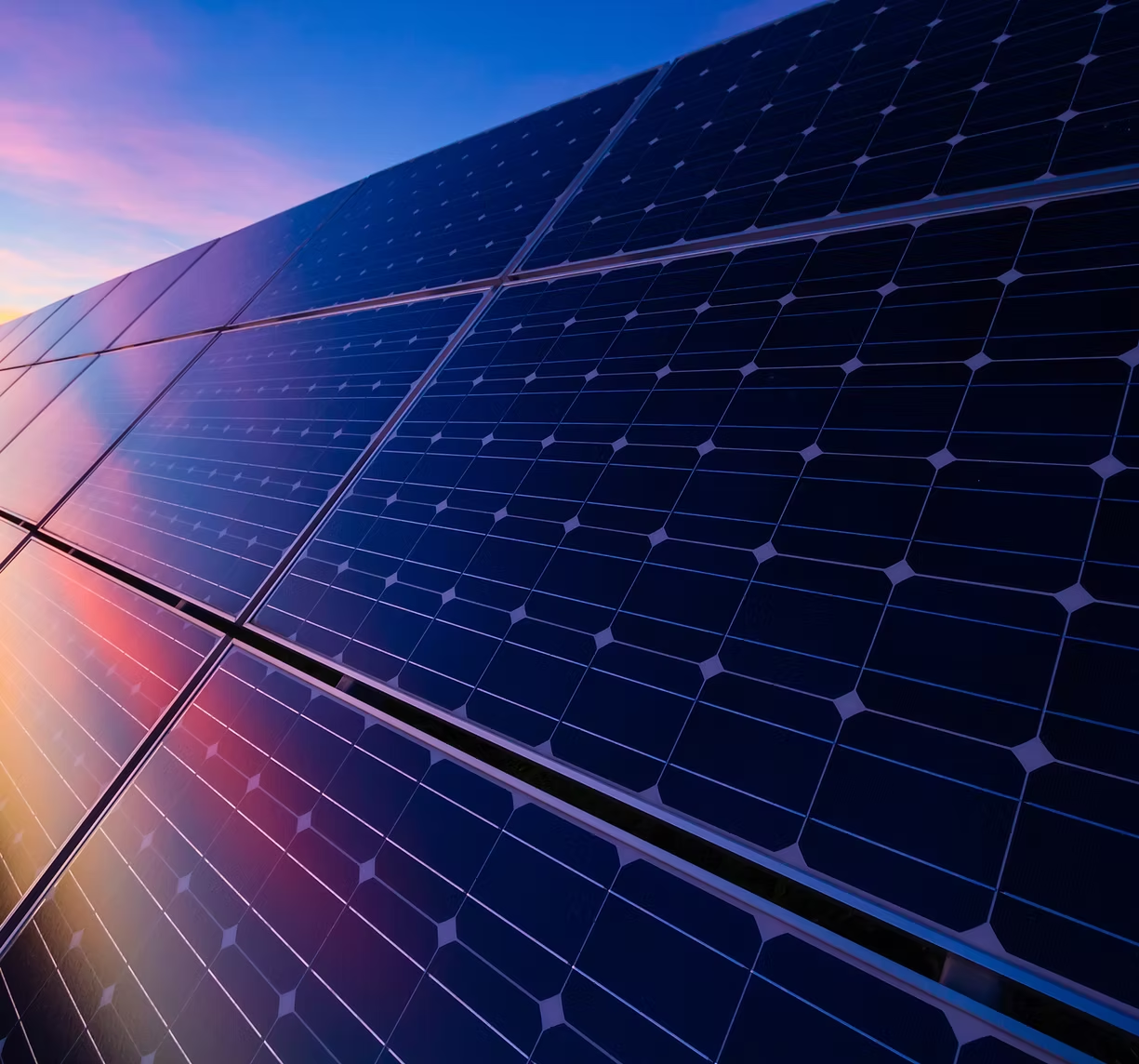
What size solar system do I need for my home in Australia? Most homes suit a 6.6kW to 10kW solar system, depending on daily electricity use, roof space, sunlight, budget and future plans such as batteries or electric vehicle charging. The right system should match your household habits, not just your roof size.
Solar sizing is one of the most important decisions you will make before installing panels. Too small, and you may keep buying more grid power than needed. Too large without a clear plan, and you may export extra energy for a lower feed-in tariff.
The best starting point is your electricity bill. Once you know how many kilowatt-hours your home uses each day, you can choose a system that supports your lifestyle and long-term savings.
What Size Solar System Do I Need for My Home in Australia?
What size solar system do I need for my home in Australia depends on how much power you use and when you use it. A couple in a small home may need far less solar than a family running air conditioning, a pool pump, electric cooking and a home office.
As a simple guide:
- 3kW to 5kW: Suitable for small homes, low usage or limited roof space
- 6.6kW: A popular choice for average Australian homes
- 8kW to 10kW: Better for larger families or higher daytime usage
- 10kW to 13kW+: Useful for big homes, batteries, EV charging or future electrification
A 6.6kW system is often a practical starting point because it can produce strong daytime energy without needing excessive roof space. However, many homes now consider larger systems because modern panels are more efficient and households are using more electricity.
Start With Your Daily Energy Usage
Your daily energy use is usually shown on your electricity bill as kWh per day. This number tells you how much electricity your home consumes on average.
For example, if your home uses around 15kWh per day, a 6.6kW system may cover a good portion of your usage. If your home uses 25kWh or more per day, you may need an 8kW, 10kW or larger system.
The timing of your usage matters too. Solar panels produce most of their energy during daylight hours, so homes that run appliances during the day often get stronger value.
If you use most of your power at night, you may still benefit from solar, but a battery or smart appliance scheduling may improve the result.
Roof Space, Direction and Shade Matter
Your roof plays a major role in system sizing. A north-facing roof usually captures strong sunlight, but east and west-facing panels can also work well, especially if you use power in the morning and afternoon.
A professional solar designer will look at:
- Roof size and available clear space
- Roof pitch and orientation
- Nearby trees, chimneys or neighbouring buildings
- Existing vents, skylights and antennas
- Switchboard condition and inverter location
- Local weather patterns and sunlight exposure
Shade is especially important. Even partial shade across a panel can reduce performance if the system is not designed correctly. In some cases, microinverters or optimisers may help, but they should only be recommended when they suit the site.
Should You Choose 6.6kW or 10kW?
Many Australian homeowners compare 6.6kW and 10kW systems because both are common residential options. The right choice depends on your energy use and future plans.
A 6.6kW solar system may suit you if your bills are moderate, your roof space is limited or you mainly want to reduce daytime grid use. It can be a strong fit for small to medium households.
A 10kW solar system may suit you if your home has higher power demand, a pool, ducted air conditioning, a larger family or plans to add a solar battery. It may also make sense if you want to prepare for electric vehicle charging later.
When asking, “What size solar system do I need for my home in Australia?”, avoid choosing purely by price. A properly sized 10kW system may offer better long-term value than a smaller system that cannot keep up with your usage.
Think About Batteries and Future Energy Needs
Solar is no longer just about today’s electricity bill. Many homes are now planning for batteries, induction cooking, heat pump hot water, electric vehicles and more home-based work.
If you may add a battery later, your solar system needs enough excess daytime generation to charge it. A very small system may not produce enough surplus energy, especially during cloudy weather or heavy household use.
If you plan to electrify your home, going slightly larger may be sensible. This does not mean oversizing blindly. It means designing around realistic future demand.
Sunshine Coast Solar & Battery can review your current usage and future goals so your system is not outdated soon after installation.
How Much Power Will Solar Produce?
Solar output changes depending on where you live in Australia. A system in Queensland may produce more energy than the same size system in Tasmania because of different sunlight conditions.
Weather, roof angle, panel quality, inverter performance and shading all affect daily generation. This is why online calculators can provide a helpful estimate, but they should not replace a proper site assessment.
As a rough guide, a 6.6kW system can produce enough energy for many everyday household loads, including washing, dishwashing, daytime cooling, pool pumps and device charging. Larger systems can support higher demand and create more opportunity for battery charging.
Common Mistakes When Sizing Solar
Choosing the wrong system size can reduce your savings and create frustration later. Many issues come from rushing the quote process or focusing only on the cheapest package.
Common mistakes include:
- Choosing a small system because it has the lowest upfront cost
- Ignoring evening electricity use
- Forgetting future battery or EV plans
- Installing panels on shaded roof sections
- Not checking switchboard condition first
- Comparing quotes with different panel and inverter quality
- Assuming every home needs the same system size
A good solar quote should explain why a certain system size is recommended. It should not feel like a one-size-fits-all package.
Safety, Standards and Quality Installation
Solar systems must be designed and installed safely. In Australia, installers must consider relevant electrical rules, solar PV array requirements, inverter standards and approved equipment.
This includes safe cable runs, correct isolation, suitable mounting, weather protection and compliant inverter connection. Poor installation can affect performance, warranties and safety.
You should also check that the panels and inverter are suitable for Australian conditions. Harsh sun, coastal air, storms and roof heat can test lower-quality equipment over time.
When to Call a Professional
Call a professional when you want a clear answer to “What size solar system do I need for my home in Australia?” for your actual roof, bills and lifestyle. A proper assessment can help you avoid paying for the wrong system.
You should also speak with a solar expert if you have high bills, limited roof space, shading, three-phase power, an older switchboard, battery plans or future EV charging needs.
Sunshine Coast Solar & Battery can assess your electricity usage, roof layout and future energy goals before recommending a system size. This gives you a more reliable path forward than guessing from a generic online chart.
Conclusion
What size solar system do I need for my home in Australia? For many households, a 6.6kW to 10kW system is a practical range, but the best size depends on your daily electricity use, roof space, sunlight, budget and future plans.
A smaller system may suit low-usage homes, while larger homes may benefit from 8kW, 10kW or bigger systems. If you are considering a battery or electric vehicle, it is worth planning ahead from the start.
For tailored advice and a system designed around your home, Sunshine Coast Solar & Battery can help you choose a smart solar setup that supports long-term savings.
FAQ
Is 6.6kW solar enough for a home in Australia?
A 6.6kW system is enough for many average Australian homes, especially where daytime electricity use is moderate. Larger households may need 8kW to 10kW or more.
How do I calculate the right solar system size?
Check your bill for average daily kWh usage, then compare that with your roof space, daytime energy habits and future needs such as batteries or EV charging.
Can I install a bigger solar system than I need?
Yes, but it should have a clear purpose. A bigger system may help with batteries or future electrification, but oversizing without a plan may not deliver the best return.
Does roof direction affect solar system size?
Yes. North-facing roofs often perform strongly, while east and west-facing panels can suit morning and afternoon usage. Shading and roof pitch also affect output.
