

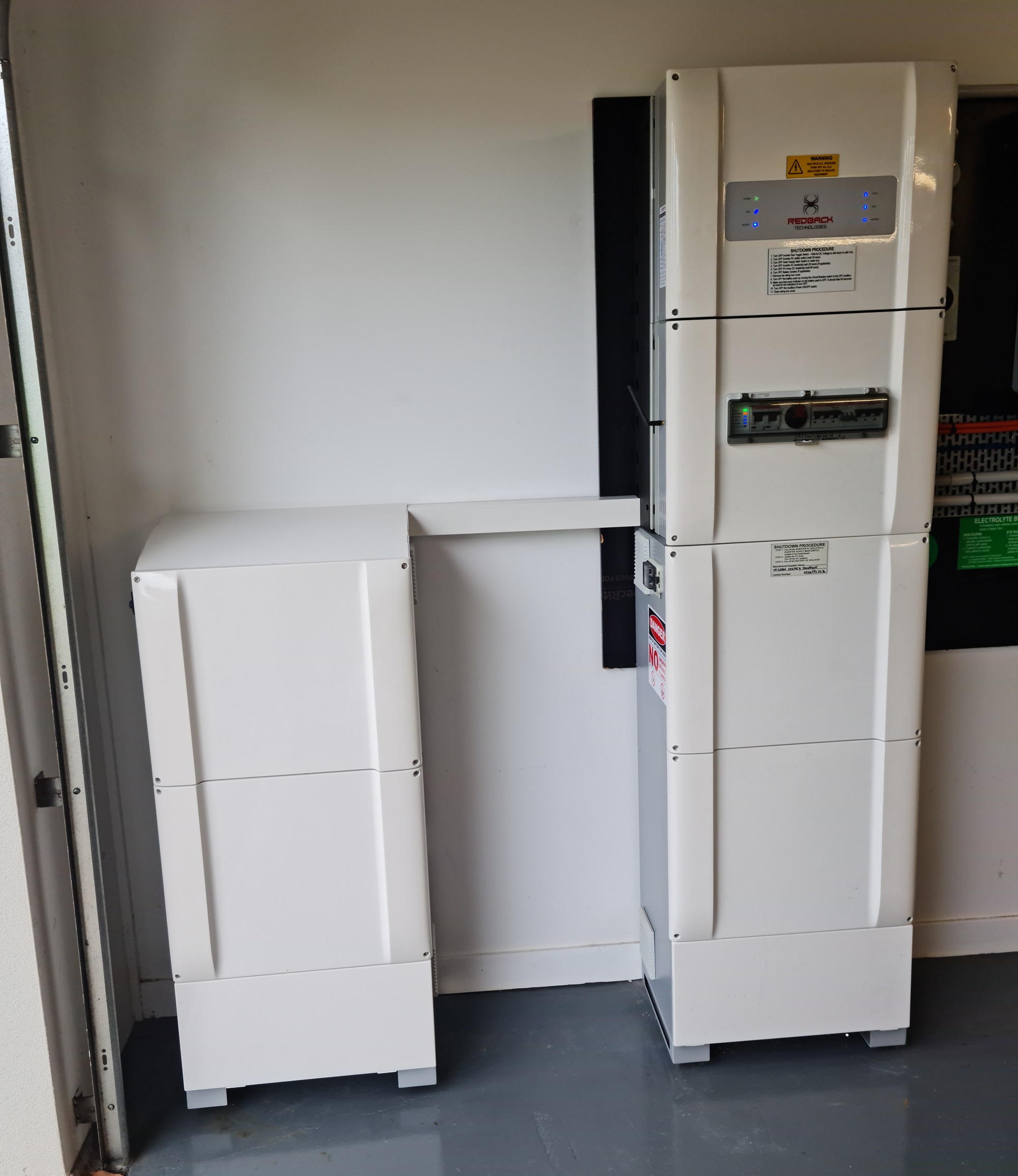
Are solar batteries worth it in Australia? For many homes, yes, especially if you have rooftop solar, use more power at night, face high peak electricity rates or want backup energy during outages. A battery is not right for every household, but in 2026, rebates and smarter energy plans are making the numbers more attractive.
A solar battery stores the excess power your panels produce during the day, so you can use it later instead of sending it all back to the grid. This can help you rely less on your retailer and make better use of the solar system already sitting on your roof.
For Australian households dealing with air conditioning, pool pumps, home offices, electric cooking and rising energy bills, battery storage can be a practical way to take more control of daily power use.
Are Solar Batteries Worth It in Australia in 2026?
Are solar batteries worth it in Australia comes down to your energy habits. If most of your electricity use happens after sunset, a battery may deliver stronger value because it lets you use stored solar power at night.
For example, a family may generate plenty of solar during the day while everyone is at work or school. Without a battery, much of that energy may go to the grid for a modest feed-in tariff. With a battery, that same power can run lights, cooking appliances, washing machines, televisions and air conditioning later in the day.
A battery is usually most worthwhile when you already have solar panels, receive a low feed-in tariff and pay higher rates for grid electricity in the evening. It can also appeal to homeowners who want extra protection during blackouts, although backup capability must be included in the system design.
How Much Do Solar Batteries Cost?
In 2026, many residential solar batteries in Australia cost about $800 to $1,300 per usable kWh installed, depending on brand, capacity, inverter requirements and site conditions. A common 10kWh battery system may sit around $8,000 to $11,000 installed, although pricing can vary.
Your final cost may change based on whether you need:
- A hybrid inverter
- Switchboard upgrades
- Backup power circuits
- Extra electrical protection
- A larger battery capacity
- Monitoring equipment
- Wall mounting or weather-safe placement
The cheapest battery is not always the best option. You need to compare usable capacity, warranty terms, cycle life, backup features, software control and whether the product is approved for Australian conditions.
How Rebates Improve the Value
The federal Cheaper Home Batteries Program has made batteries more attractive for many households by offering an upfront discount on eligible systems connected to new or existing rooftop solar. This can reduce the payback period and make battery storage easier to justify.
Some states and territories may also offer their own incentives, loans or battery programs, although these change over time. It is always worth checking what applies in your area before signing a quote.
The rebate does not automatically mean every home should install a battery. It simply improves the starting point. You still need to look at your bill, your solar production, your evening usage and your long-term goals.
When a Solar Battery Makes Sense
A battery may be a strong option if your home regularly uses electricity after sunset. This is common for families who cook dinner with electric appliances, run reverse-cycle air conditioning, charge devices, use entertainment systems or work from home into the evening.
It may also suit homes with larger solar systems that export a lot of unused energy during the day. Instead of selling that power back at a lower feed-in rate, you can store it and use it when grid electricity costs more.
Solar batteries can also be helpful if you:
- Want more energy independence
- Live in an area with regular blackouts
- Have time-of-use electricity pricing
- Plan to electrify your home
- Want to prepare for future EV charging
- Already have a good-quality solar system
Sunshine Coast Solar & Battery can assess whether your usage patterns support a battery or whether a solar-only upgrade would be a better first step.
When a Battery May Not Be Worth It Yet
Are solar batteries worth it in Australia for every home? Not always. If your electricity use is already very low, your solar system is small or you are rarely home at night, the savings may take longer to stack up.
A battery may also be less urgent if your feed-in tariff is still reasonable, your daytime usage is high or you have not yet improved basic energy efficiency. In some cases, simple changes like using timers, running appliances during solar production hours or upgrading old air conditioning can improve your bill before you invest in storage.
You should also be cautious if a quote promises unrealistic savings. A battery can reduce grid use, but it does not make every home completely energy independent. Weather, household demand, system size and tariff structure all affect the final result.
Battery Size Matters
Choosing the right battery size is one of the most important decisions. Too small, and it may not cover your evening load. Too large, and you may pay for storage capacity you rarely fill or use.
Many homes consider batteries around 10kWh because they offer a practical balance for everyday evening usage. However, your ideal size depends on your solar output, night-time consumption and whether you want backup power.
A professional installer should review your interval data or electricity bills before recommending a size. Guesswork can lead to poor value, even if the battery itself is high quality.
Safety and Installation Standards
Solar batteries must be installed correctly because they are electrical energy storage systems. In Australia, installations should follow relevant safety requirements, including AS/NZS 5139 for battery energy storage systems and AS/NZS 3000, known as the Wiring Rules.
The battery location also matters. Installers need to consider ventilation, weather exposure, wall strength, clearances, fire safety requirements and access for servicing. Some batteries can be installed outdoors, while others need specific protection.
A compliant installation protects your home, your warranty and your long-term system performance. This is not a job for shortcuts.
When to Call a Professional
Call a professional when you want to know if a battery will genuinely suit your home, not just whether the technology sounds appealing. A proper assessment should consider your solar production, electricity bill, tariff, switchboard, roof system, backup needs and future energy plans.
You should also get expert advice if you are adding a battery to an existing solar system, because not every inverter is battery-ready. In some cases, you may need a hybrid inverter or an AC-coupled battery solution.
Sunshine Coast Solar & Battery can help you compare options, understand rebate eligibility and choose a system that suits your household usage. A tailored quote gives you a clearer answer than a generic battery price online.
Conclusion
Are solar batteries worth it in Australia? For many households in 2026, they can be worth it, especially when you have strong solar generation, low feed-in tariffs, high evening usage and access to current rebate support.
They are less suitable when your usage is low, your solar system is undersized or your payback period does not match your goals. The smartest approach is to review your energy habits first, then choose a battery size and product that fits your home.
For honest guidance and a practical battery assessment, Sunshine Coast Solar & Battery can help you understand your options and move forward with confidence.
FAQ
How long do solar batteries last in Australia?
Most quality solar batteries are designed to last around 10 to 15 years, depending on usage, brand, temperature exposure and warranty conditions.
Can I add a battery to my existing solar system?
Yes, many homes can add a battery to an existing solar system. Your installer will need to check your inverter, switchboard and system design first.
Do solar batteries work during blackouts?
Some batteries can provide backup power during blackouts, but not all systems include this feature automatically. Backup circuits must be designed and installed correctly.
Are solar batteries better with time-of-use tariffs?
Yes, they can be. A battery may help you avoid higher evening rates by storing cheaper solar power from the day for use during peak periods.
