

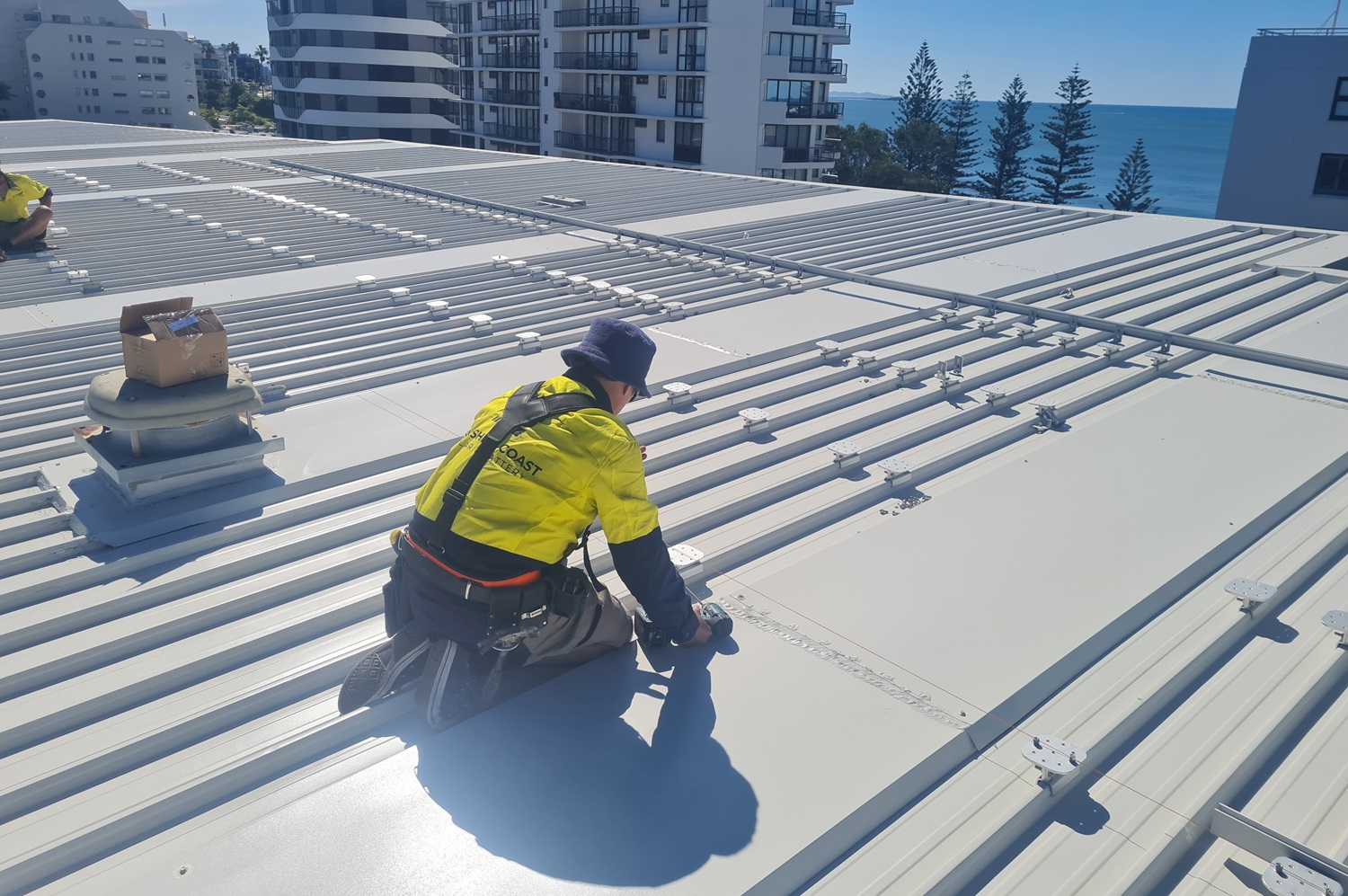
Damaged solar panels should be inspected before you decide to repair or replace them. Minor issues such as loose wiring, dirty glass, mounting faults or inverter errors may be repairable, but cracked glass, water ingress, burnt marks or major output loss usually mean replacement is safer and more reliable.
Solar panels are built to handle harsh Australian weather, but they are not indestructible. Hail, falling branches, strong coastal winds, heat stress, wildlife, poor installation and ageing components can all cause problems over time.
The smartest decision depends on the type of damage, the age of your system, your warranty, safety risks and whether replacement would restore better long-term performance.
Repair or Replace Damaged Solar Panels in Australia?
When deciding whether to repair or replace damaged solar panels, start with safety. Do not climb onto the roof, touch cracked panels or try to disconnect electrical parts yourself. Solar panels can still produce electricity during the day, even if the system looks damaged.
Some problems can be fixed without replacing the panel itself. For example, a technician may repair damaged cabling, replace a faulty isolator, secure loose mounting hardware or correct an inverter issue.
However, the panel itself is different. Once the glass, cells or laminate are physically damaged, repair is often limited or not recommended. A compromised panel can allow moisture in, reduce output and create electrical safety concerns.
Common Signs Your Solar Panels Are Damaged
Not every solar issue is obvious from the ground. Some systems keep running, but produce far less power than they should.
Watch for these signs:
- A sudden drop in solar output
- Cracked, shattered or cloudy panel glass
- Burn marks, hot spots or discolouration
- Water marks inside the panel
- Loose panels after storms or high wind
- Inverter warning lights or fault codes
- Higher electricity bills without a clear reason
- Visible cable damage from birds, possums or weather
You can check your monitoring app, inverter display or electricity bills without touching the system. If output has dropped sharply, book a professional inspection before the issue gets worse.
When Repair May Be the Better Option
Repair may make sense when the panel itself is not structurally damaged. Many solar faults come from surrounding components rather than the panel.
A repair may be suitable if the issue involves:
- Loose mounting brackets
- Faulty DC isolators
- Damaged connectors or cabling
- Inverter faults
- Monitoring errors
- Dirt, bird droppings or debris
- Minor shading from new tree growth
In these cases, the system may only need cleaning, servicing or electrical repair. This can be more cost-effective than replacing panels unnecessarily.
Sunshine Coast Solar & Battery can inspect the full system and identify whether the problem is coming from the panel, inverter, wiring, switchboard or roof mounting.
When Replacement Is the Safer Choice
Replacement is usually the better option when damaged solar panels have cracked glass, internal cell damage, delamination, severe corrosion or signs of water ingress. These faults can reduce performance and may create long-term safety risks.
You should also consider replacement if the panels are very old, no longer under warranty or from a brand that is no longer supported in Australia. Older panels may still work, but sourcing matching replacements can be difficult.
A single damaged panel can sometimes be replaced, but compatibility matters. The new panel must suit the existing inverter, string design, voltage limits and mounting setup. A professional installer should check this before any replacement is approved.
How Age Affects the Decision
The age of your solar system plays a major role. If your system is only a few years old and covered by warranty, the best step may be a warranty claim through the installer or manufacturer.
If your system is over 10 years old, replacement may offer better value, especially if several panels are underperforming. Newer panels are often more efficient and may produce more power from the same roof space.
For systems nearing the end of their useful life, replacing one panel at a time may not be the most practical choice. A full system assessment can show whether a targeted repair, partial upgrade or complete replacement makes more sense.
What About Hail or Storm Damage?
Hail is one of the most common concerns for Australian homeowners. Quality solar panels are tested for impact resistance, but severe hail can still crack glass or damage cells.
After a major storm, do not assume everything is fine just because the inverter is still running. Microcracks may not be visible from the ground, but they can reduce output and worsen over time.
You should check your monitoring data after storms. If production has dropped or the inverter shows a fault, arrange an inspection. It may also be worth reviewing your home insurance policy, as storm or hail damage may be covered depending on your insurer and policy terms.
Warranty, Insurance and Approved Products
Before replacing damaged solar panels, check your warranty documents. You may have a product warranty, performance warranty and installation warranty, each covering different issues.
A product warranty may cover manufacturing defects, while a performance warranty relates to output over time. Installation warranties generally cover workmanship, not storm damage or accidental damage.
If replacement is needed, use approved solar products that meet Australian requirements. This helps protect safety, rebate eligibility and system performance. Avoid second-hand panels unless a qualified professional confirms they are compliant, compatible and safe.
Safety and Australian Standards Matter
Solar work is electrical work, so it must be handled correctly. In Australia, solar PV systems should be installed and serviced with reference to relevant safety requirements, including AS/NZS 5033 for photovoltaic arrays and AS/NZS 3000 for electrical wiring.
A qualified solar electrician will check more than the visible damage. They may assess strings, isolators, connectors, earthing, mounting rails, inverter readings and roof penetrations.
This matters because damage can affect more than one part of the system. A cracked panel may be the obvious issue, but water entry, cable damage or loose mounting can create further problems.
When to Call a Professional
Call a professional when you notice damaged solar panels, reduced output, storm damage, inverter faults or unexplained power bill increases. You should also get help if your system is older, no longer under warranty or has panels from a discontinued brand.
Do not try to remove, repair or replace solar panels yourself. Even a damaged panel can generate electricity, and roof work carries serious fall risks.
Sunshine Coast Solar & Battery can inspect your system, explain whether repair or replacement is the better option and provide clear advice based on safety, performance and long-term value. A professional inspection can help you avoid unnecessary replacement while still protecting your home.
Conclusion
So, should you repair or replace damaged solar panels? Minor system issues may be repairable, but cracked glass, water ingress, burnt marks, major performance loss or ageing panels often point towards replacement.
The safest approach is to check your monitoring, review your warranty and arrange a professional inspection before making a decision. This gives you a clear understanding of the damage and your options.
For practical advice and safe solar servicing in Australia, Sunshine Coast Solar & Battery can help you decide whether repair or replacement will give your home the best long-term result.
FAQ
Can cracked solar panels be repaired?
Cracked solar panels are usually replaced rather than repaired. Once the glass or cells are damaged, moisture and electrical faults can become a concern.
Is it safe to use damaged solar panels?
It may not be safe. A damaged panel can still produce electricity and may create risks if moisture, cracked glass or wiring faults are present.
Will insurance cover damaged solar panels?
Some home insurance policies cover storm, hail or accidental damage to solar panels. Check your policy and speak with your insurer before arranging repairs.
How do I know if my solar panels are underperforming?
Check your monitoring app, inverter data and electricity bills. A sudden drop in output or repeated inverter faults usually means the system needs inspection.
